Levers Auto
Owning a car is a significant investment. How to maintain a car to make it last longer is a common concern for many drivers. The truth is, simple, consistent care can extend the life of your vehicle. Regular checks and maintenance work wonders.
Many people overlook minor issues. An unattended scratch can lead to rust. Ignoring engine noises might result in costly repairs. Be proactive with your car. Pay attention to its needs, and it will reward you with reliability. Simple tasks, like checking tire pressure or changing oil regularly, yield great results.
Understanding your car’s requirements is usually a journey of trial and error. Sometimes, even diligent owners miss crucial steps. On the other hand, a few adjustments to your routine can lead to profound improvements. Prioritizing a maintenance schedule can ultimately lead to a smoother and longer vehicular experience. Explore our top 10 tips for effective vehicle care.
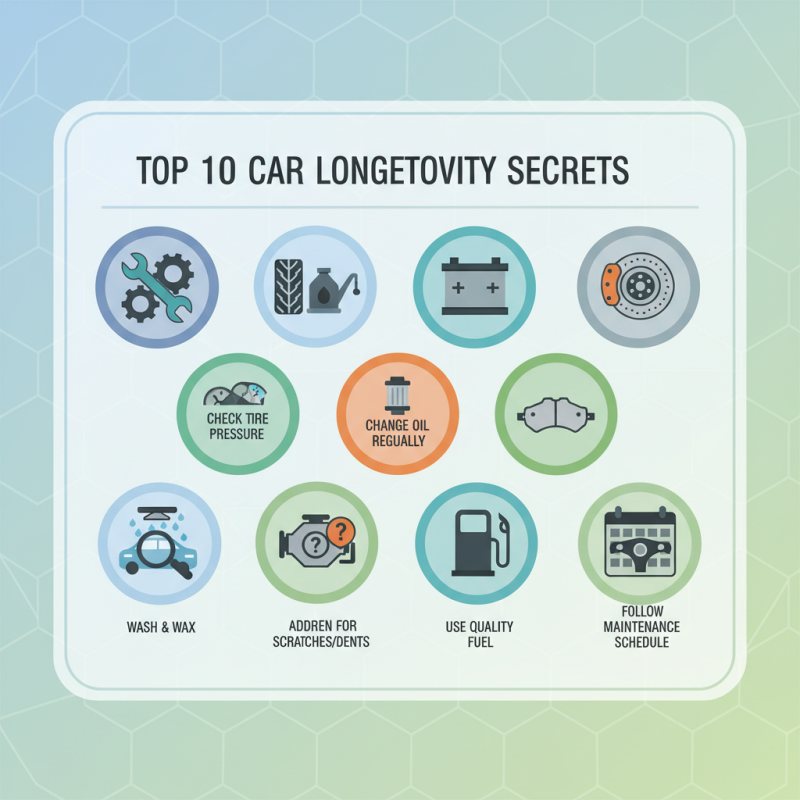
Regular maintenance is essential for car longevity. Treat your vehicle as you would a trusted friend. Routine oil changes are crucial. They keep the engine running smoothly. Skip these, and you risk damaging vital components. Check your owner's manual for recommended intervals.
Tire care is often overlooked. Proper inflation improves fuel efficiency and safety. Rotate tires regularly to ensure even wear. Inspect them for signs of damage. Brake performance is critical. Listen for unusual noises and respond immediately. Addressing issues early can prevent costly repairs.
Cleaning your car matters too. Regular washes protect the paint and body. Waxing offers an extra layer of protection against rust. Keep the interior clean as well. A tidy cabin enhances your driving experience. These small steps take effort, but they can save time and money in the long run.
Regular oil changes are essential for maintaining your car. They keep the engine lubricated and running smoothly. Fresh oil helps reduce friction and wear on engine parts. This can extend the lifespan of your vehicle. Delaying oil changes can lead to serious problems. Dirty oil clogs filters and slows down performance.
Many people overlook the importance of checking oil levels. Low oil can cause overheating. This often results in costly repairs. Aim to check your oil at least once a month. Look for changes in color or consistency. If it appears dark or gritty, it’s time for a change.
Consider keeping a maintenance log as a useful tool. This will help track changes and identify patterns. Over time, you may notice the impact of neglecting oil changes. Experience shows that proactive care prevents major issues. Regular oil changes not only improve efficiency but also enhance safety on the road.
Tire care is crucial for extending your vehicle’s lifespan. According to the Tire Industry Association, properly maintained tires can improve fuel efficiency by up to 3%. This means better performance and reduced costs. Regularly checking tire pressure is essential. Many drivers overlook this simple task, yet low pressure can lead to uneven wear and increased risk of blowouts.
Rotating tires regularly is another fundamental step. The National Highway Traffic Safety Administration recommends rotating tires every 5,000 to 8,000 miles. This helps ensure even wear and prolongs the life of your tires. Ignoring this can result in premature tire replacement, which is an unnecessary expense.
Moreover, inspecting your tires for damage can save you from potential hazards. A study by the Rubber Manufacturers Association found that 90% of tire failures are due to under-inflation or poor maintenance. Keeping your tires clean and free from debris also supports their overall health. Many car owners neglect this, thinking it’s an insignificant issue. However, small stones or other debris can cause significant long-term damage if left unaddressed.
The cooling system plays a vital role in your car's longevity. An efficient cooling system prevents overheating, which can lead to engine damage. Regularly check the coolant level. Low coolant can cause severe issues. Inspect hoses and connections for leaks or wear. These details can save you from costly repairs.
One easy tip is to flush your cooling system every couple of years. This removes impurities and debris that can hinder performance. Replace the thermostat if you notice irregular temperature fluctuations. A malfunctioning thermostat can damage your engine.
Monitor your temperature gauge during trips. An unusually high reading can indicate problems. Address issues early to avoid bigger headaches. Additionally, always opt for quality coolant. Inexpensive options may not provide adequate protection, leading to failures. Maintaining your cooling system is essential for a durable vehicle. Take these steps to ensure your car lasts longer.
When it comes to extending your car's lifespan, your driving habits play a crucial role. Smooth driving is essential. Sudden acceleration and hard braking can put unnecessary strain on your vehicle. Aim for gradual changes in speed. This not only protects your engine but also enhances fuel efficiency. Use cruise control on highways for a more consistent speed, which is kinder to your car’s components.
Regular maintenance checks are vital. Keep an eye on fluid levels, including oil, coolant, and brake fluid. An engine that runs cool can last longer. Schedule routine inspections to catch potential issues early. Tire pressure also matters. Under-inflated tires can lead to increased wear and tear. A simple pressure check can save you money and extend tire life.
Consider your load. Carrying excess weight can affect your car’s performance. Pack only what you need for your trips. Additionally, driving fewer short trips can reduce wear on your engine. Cold starts can be harsh on your vehicle, so combine errands when possible. Reflect on these habits. Small changes can lead to significant benefits, ensuring your car serves you well for years.
: Regular maintenance keeps your engine running smoothly and prevents damage to vital components.
Properly inflate tires to improve fuel efficiency. Rotate them regularly for even wear.
Listen carefully and address brake issues immediately to avoid costly repairs in the future.
Regular washes protect the paint. Waxing adds protection against rust, keeping your car looking good longer.
An efficient cooling system prevents overheating, which can cause severe engine damage.
Flushing every couple of years helps remove impurities that could hinder performance.
Smooth driving, avoiding sudden changes in speed, enhances fuel efficiency and protects your engine.
Regularly check oil, coolant, and brake fluid levels to catch potential issues early.
Avoid excess weight as it can negatively affect your car's performance and fuel efficiency.
Combining errands reduces cold starts that can wear down your engine more quickly.
To ensure your vehicle remains in optimal condition and lasts longer, it is essential to adopt a series of maintenance tips. Regular maintenance practices, such as timely oil changes, play a crucial role in enhancing engine performance and longevity. Additionally, proper tire care, including regular rotations and maintaining appropriate air pressure, significantly impacts your vehicle's lifespan.
Understanding and maintaining the cooling system is vital, as it prevents overheating and protects essential engine components. Furthermore, adopting best driving habits—such as avoiding aggressive acceleration and hard braking—can contribute positively to your car’s durability. By focusing on how to maintain a car to make it last longer through these practices, you can enjoy a reliable vehicle for years to come.
