Levers Auto
What makes a car reliable and durable is not simply its badge, price, or showroom appearance. Reliability develops through engineering choices, consistent maintenance, and years of real-world use. J.D. Power’s 2025 U.S. Vehicle Dependability Study reported 190 problems per 100 vehicles after three years of ownership. That figure reveals an uncomfortable truth: even modern cars can develop faults. Electronics, software, and complex driver-assistance systems now influence dependability as much as engines and transmissions.
Karl Brauer, Executive Analyst at iSeeCars, has said, “The best way to predict a vehicle’s reliability is to look at its track record.” That principle supports long-term data over advertising claims. iSeeCars’ longevity research also identifies vehicles capable of reaching 250,000 miles, showing how design quality can survive demanding use. However, rankings are not perfect. Driving habits, climate, repair quality, and service history can change the result.
A durable car usually has a strong powertrain, effective cooling, corrosion protection, and easily available replacement parts. Picture a vehicle starting on a freezing morning, shifting smoothly in traffic, and remaining quiet after years of potholes. Those details matter. Regular oil changes, correct tire pressure, timely fluid replacement, and careful repairs matter too. Still, durability is not guaranteed. A neglected “reliable” model may fail sooner than a carefully maintained ordinary one. This guide examines the evidence, ownership experience, and engineering factors behind dependable vehicles.
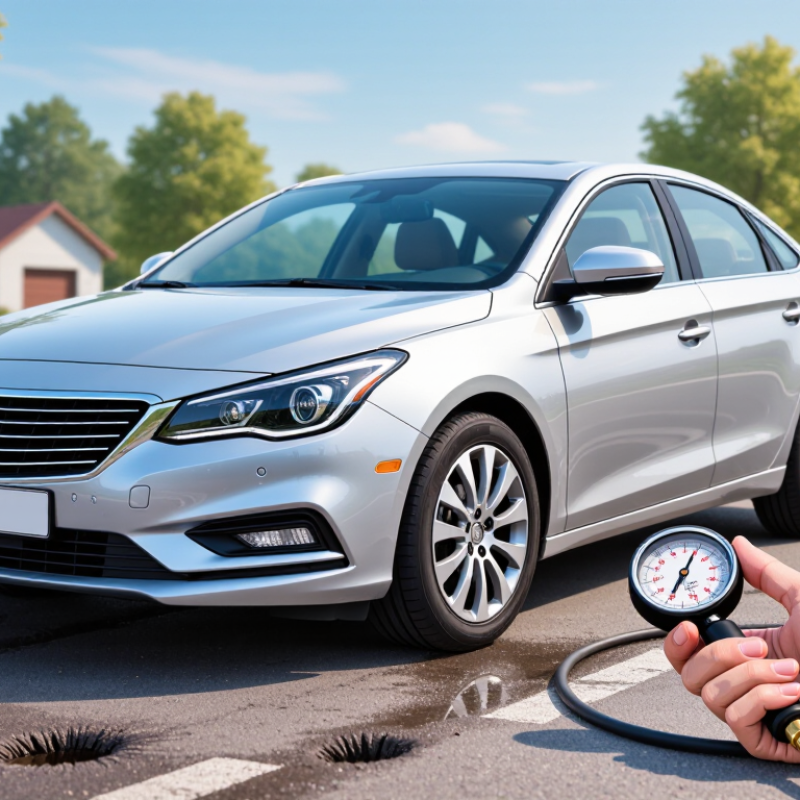
Reliability and durability are related, but they are not identical. Reliability means a car performs its intended function consistently, trip after trip. A reliable engine starts on a cold morning, while the brakes respond predictably in traffic. Durability describes how well the vehicle resists aging, stress, and repeated use. A durable suspension may remain firm after years of potholes and heavy loads.
In practice, I judge reliability through patterns rather than one impressive test drive. Service records, warning lights, fluid leaks, and uneven tire wear reveal more than a clean dashboard. A trained inspection should examine the cooling system, electrical connections, steering joints, and brake components. Small faults matter. A loose hose can become an overheated engine during a long summer journey.
Durability also depends on design, materials, driving conditions, and maintenance. Short trips can increase moisture and engine wear, while overloaded cargo stresses tires and suspension parts. Even a carefully engineered car can deteriorate when oil changes are ignored. I once treated a minor vibration as harmless, and that assumption cost more time than expected. That experience changed my view: dependable ownership requires observation, not blind confidence. Manufacturers may publish testing claims, but real-world records and independent inspections provide stronger evidence. No vehicle stays reliable by accident. The definition keeps changing with age, use, and care.
Reliability describes how consistently a vehicle operates without unexpected failures, while durability describes how well its components resist wear over time. The intervals below show typical mileage ranges for replacing common wear items; longer intervals generally indicate greater component durability, but they do not measure the reliability of an entire vehicle.
Typical industry maintenance ranges in miles. Actual service life varies with driving conditions, climate, load, maintenance quality, and vehicle design.
What Makes a Car Reliable and Durable?
Key Engineering Factors Behind Long-Lasting Vehicle Performance
A reliable car begins with disciplined engineering, not impressive showroom features. Engineers design the powertrain around controlled heat, friction, and vibration. During long road testing, sensors track oil temperature, brake fade, suspension movement, and electrical loads. These measurements reveal weaknesses that a short test drive can hide. Small margins matter.
Durability depends heavily on material selection and stress management. High-strength alloys can protect structural parts, while carefully designed plastics resist heat and chemical exposure. Seals, bearings, fasteners, and wiring deserve equal attention. One cheap component can disable an otherwise strong vehicle. Engineers also create service access for filters, fluids, and belts, because simple maintenance is more likely to happen. In my workshop experience, neglected cooling systems often cause trouble before major mechanical parts fail. That pattern is easy to underestimate.
Software now influences durability too. Stable control systems protect batteries, transmissions, and engines from harsh operating conditions. Still, software cannot correct poor hardware or careless servicing. A robust vehicle should tolerate cold starts, rough roads, heavy loads, and years of imperfect driving. Yet no design is invincible. Clear service intervals, failure data, and repair procedures help owners and technicians make informed decisions. I would question any durability claim without evidence from varied climates and real mileage.
A car’s service life begins long before it reaches a road. It begins on the factory floor, where small manufacturing decisions shape future performance. Consistent welds help keep the body structure rigid. Accurate machining reduces friction between moving engine parts. Careful sealing prevents water, dust, and salt from entering vulnerable areas.
Quality control must continue through every production stage. Workers and automated systems check bolt torque, fluid pressure, electrical connections, and panel alignment. A missed fastener may seem minor, but it can create vibration, noise, or premature wear thousands of miles later. Proper corrosion protection matters too. Even a strong metal structure can weaken when paint coverage is thin around joints and drain holes.
I once assumed durable cars were defined mainly by their engines. That view was too simple. Manufacturing tolerances, wiring protection, cooling-system assembly, and material selection also influence long-term reliability. End-of-line testing can reveal leaks or unusual noises, but it cannot predict every road condition. Some weaknesses only appear after years of heat, potholes, and neglected maintenance.
Good manufacturing creates consistency, not perfection. A reliable vehicle usually reflects disciplined processes, traceable materials, and engineers who study failures instead of hiding them. Service records still matter. Even a carefully built car can suffer when fluids are ignored or warning signs are dismissed. The factory gives durability its foundation; daily care determines how much of that foundation remains.
Reliable cars are not maintained by luck. Their condition depends on repeated, ordinary care. Fresh engine oil reduces friction and helps internal parts handle heat. Correct tire pressure improves handling, braking, and tire life. Clean filters also help the engine breathe efficiently. Small neglect grows.
I once delayed replacing a worn battery because the car still started each morning. A cold week exposed that mistake. Maintenance schedules are useful, but they are not perfect for every driving pattern. Short trips, dusty roads, heavy traffic, and frequent towing can increase wear. A qualified technician should inspect unusual noises, fluid leaks, uneven braking, or warning lights. Service records also create a clearer history and support better decisions later.
Tips:
Check fluid levels on a level surface, preferably when the engine is cool. Look under the vehicle for fresh drops after parking overnight. Rotate tires according to the maintenance schedule and inspect tread depth regularly. Replace worn wiper blades before visibility becomes poor. Test exterior lights monthly. Keep the battery terminals clean, but avoid forcing damaged connections. Listen for changes in engine sound, steering feel, and braking response. These simple observations can reveal problems before they become expensive repairs. Still, visual checks cannot replace professional inspections, especially for suspension, brakes, and safety systems.
Long-term dependability needs more than a quiet test drive. J.D. Power’s 2024 U.S. Vehicle Dependability Study recorded 190 problems per 100 vehicles after three years. The figure measures reported issues, not total failures. Still, it offers a useful warning.
Evaluate service records before judging mileage. Look for repeated repairs, missed maintenance, fluid leaks, uneven tire wear, and warning lights. A vehicle with 80,000 highway miles may be healthier than one with 45,000 harsh city miles. Ask for cold-start testing. Listen for rattles, delayed gear engagement, and uneven idle. Small clues often become expensive repairs.
Owner surveys add context. Consumer Reports’ reliability analysis combines survey responses with predicted performance and repair history. Use these results to identify patterns, not guarantees. Also check the National Highway Traffic Safety Administration’s recall and complaint databases. A professional inspection should include the battery, cooling system, suspension, brakes, diagnostic codes, and underbody corrosion. I would never rely on a seller’s verbal assurance alone. A clean inspection can still miss future electronic failures. That is the uncomfortable part. Reliability forecasts are useful, but imperfect. Keep money aside for routine wear, because durable does not mean maintenance-free.
| Evaluation Dimension | Measurement Method | Reliable / Durable Indicator | Warning Sign | Suggested Weight |
|---|---|---|---|---|
| Maintenance History | Review service invoices, inspection records, mileage intervals, and replaced components. | Most scheduled services are documented and performed at the recommended time or mileage. | Large gaps in records, overdue timing-system service, or repeated deferred repairs. | 15% |
| Unscheduled Repair Frequency | Track roadside breakdowns, tow events, warning-light incidents, and unplanned repairs over time. | Few serious failures and no repeated repair of the same component. | Repeated overheating, loss of power, transmission failure, or electrical shutdowns. | 15% |
| Powertrain Condition | Perform a cold start, road test, fluid inspection, and diagnostic scan. | Smooth starting, stable idle, consistent acceleration, and clean gear changes without abnormal noise. | Persistent smoke, knocking, slipping gears, harsh engagement, or unresolved powertrain codes. | 15% |
| Engine Compression and Sealing | Use a compression or leak-down test when engine wear is suspected. | Cylinder compression is generally even; many technicians use a difference of approximately 10–15% as a screening guideline, subject to engine specifications. | One cylinder is substantially lower than the others or the engine shows excessive blow-by. | 8% |
| Cooling System Performance | Check coolant level, temperature stability, radiator condition, hoses, fan operation, and pressure retention. | Operating temperature remains stable and the system holds the vehicle manufacturer’s specified pressure. | Coolant loss, overheating history, a damaged radiator, or unexplained pressure loss. | 10% |
| Electrical and Battery Health | Test the battery at rest and measure alternator output with electrical loads applied. | A conventional 12-volt lead-acid battery commonly measures about 12.4–12.7 volts at rest, while charging voltage is often approximately 13.7–14.7 volts; vehicle specifications may differ. | Repeated dead-battery events, flickering lights, parasitic drain, or multiple unresolved electrical codes. | 8% |
| Brake and Tire Durability | Measure brake-pad thickness, inspect rotors, check tire age and tread, and look for uneven wear. | Even tire wear, no structural tire damage, and brake components with substantial material remaining above service limits. | Uneven wear, vibration, brake-pedal pulsation, cracked tires, or tread near the applicable legal minimum. | 8% |
| Rust and Structural Integrity | Inspect the frame, subframes, suspension mounting points, floor panels, doors, and underbody. | Only surface corrosion is present, with no perforation or corrosion near load-bearing and suspension attachment points. | Flaking metal, holes, weakened mounting points, or corrosion affecting braking, steering, or suspension structures. | 10% |
| Suspension and Steering Wear | Check shock absorbers, bushings, ball joints, wheel bearings, steering play, and alignment. | No excessive play, knocking, fluid leakage, wandering, or abnormal tire wear. | Loose steering, repeated alignment problems, clunking over bumps, or unstable handling. | 6% |
| Recall and Safety Campaign Status | Verify the vehicle identification record through the applicable government or authorized safety database. | All safety recalls are completed and no unresolved campaign affects a critical system. | An open recall involving brakes, steering, airbags, fuel systems, or other safety-critical equipment. | 5% |
| Total Evaluation Weight | 100% | |||
Disciplined engineering controls heat, friction, and vibration. Sensors measure oil temperature, brake fade, suspension movement, and electrical loads. Small margins matter.
Strong alloys protect stressed structures. Heat-resistant plastics, seals, bearings, fasteners, and wiring also need careful selection. One weak component can stop a capable vehicle.
Consistent welds preserve body rigidity. Accurate machining reduces friction. Careful sealing blocks water, dust, and road salt.
Inspectors check bolt torque, fluid pressure, electrical connections, and panel alignment. A missed fastener may later cause vibration or noise. Small errors grow.
Thin paint around joints and drain holes can invite rust. Corrosion may weaken metal gradually, even when the structure initially seems strong.
Stable control systems can protect batteries, transmissions, and engines from harsh conditions. Software has limits. It cannot repair poor hardware or missed servicing.
Follow clear service intervals and inspect filters, fluids, belts, and cooling systems. A neglected cooling system can cause trouble before major parts fail. That is easy to miss.
No. Good manufacturing creates consistency, not perfection. Ignored fluids and dismissed warning signs can erase much of the factory’s durability. Road conditions still matter.
What makes a car reliable and durable depends on more than its age or appearance. Reliability means the vehicle performs consistently with minimal unexpected problems, while durability refers to its ability to withstand years of use, changing conditions, and accumulated mileage. Strong engineering plays a central role through robust engines, efficient cooling systems, corrosion-resistant materials, well-designed transmissions, and dependable electrical components. Careful manufacturing also matters, since precise assembly, quality control, and consistent material standards can reduce premature wear and hidden defects.
Regular maintenance helps preserve these qualities throughout the vehicle’s service life. Timely oil changes, inspections, fluid replacement, brake care, tire maintenance, and prompt repairs can prevent small issues from becoming major failures. To evaluate long-term dependability, drivers should consider reliability records, repair frequency, component durability, safety performance, owner experiences, and the availability of service support. Together, thoughtful design, high manufacturing standards, responsible maintenance, and evidence-based evaluation determine whether a car remains dependable over many years.
